
ServicesCredit Repair
Credit Repair in Dunedin, FL
We go through your credit reports line by line, dispute what is inaccurate, outdated or unverifiable, and explain the rules each step follows. You know what we are challenging, why, and what the bureaus have to do in response.
What credit repair actually does
Credit repair is the work of getting your credit reports to show only what is accurate and verifiable. Federal law, mainly the Fair Credit Reporting Act, gives you the right to challenge items that are wrong, and it requires the bureaus and the companies reporting to them to investigate. We handle that process for you, in writing, so the paperwork is clean and nothing slips.
It is the right call when your score is holding you back from a car loan, an apartment, credit lines or business funding, and you suspect your reports carry mistakes. It is not a way to wipe out debts you owe. Accurate negative items can generally stay for seven years, and we will tell you plainly when something is accurate and better left alone.
People from Dunedin, Clearwater and Palm Harbor can sit down with us in person at our office, or set up phone and video sessions if that suits their schedule better.
What your credit repair plan includes
- A full review of all three reports
- We pull your Equifax, Experian and TransUnion reports and compare them side by side. The same account often shows different balances, dates or statuses across bureaus, and those mismatches are worth checking.
- Written disputes with a reason for each item
- Every dispute names the specific account and the specific problem, such as a wrong late-payment date or a balance that was paid. Vague, copy-paste letters tend to get dismissed, so we avoid them.
- Tracking the response deadlines
- Bureaus generally have 30 days to investigate a dispute. We log every letter and every reply so we know which items were corrected, which were verified and what to do next.
- Identity and duplicate-account cleanup
- Accounts you never opened, collections listed twice and old addresses or name variations can drag a report down. We flag them and dispute them through the proper channel.
- Plain updates and score habits
- After each round, we walk you through what changed. We also talk about utilization and payment timing, since a clean report still needs good habits to keep the score climbing.
Signs your credit report needs a closer look
A late payment you know you made on time
One reported 30-day late can cost a meaningful number of points. If your bank records show the payment cleared, that entry is worth disputing.
Collections you do not recognize
Medical bills, old utility accounts and sold debts often get reported by companies you have never heard of. Some are duplicates, and some belong to someone else.
Negative items older than seven years
Most negative information has a reporting limit. Items that stay past it, or that show a reset date, should come off.
A denial that surprised you
If you were turned down for a loan or credit line and expected approval, the reason is often sitting on your report. The denial letter tells you which bureau was used, which tells us where to start.
Different scores and balances across bureaus
Large gaps between your three reports usually mean one of them has bad data.
How the process works, step by step
- 1
Consultation and enrollment
We begin by talking through what you want your credit to help you do, and any entries on your reports that caught your eye. If credit repair fits, we explain the program and you sign a written agreement. Federal law gives you three business days to cancel it.
- 2
Report audit
We review all three reports and list every item we plan to dispute and the reason. You see that list before anything is sent.
- 3
Dispute rounds
Disputes go to the bureaus and, where it helps, directly to the creditor or collector. Each round runs roughly a month while the bureaus investigate.
- 4
Review and next round
When results come back, we go over them with you, then dispute again where the law allows or move on to items still open. Many clients also start looking at personal funding or small business funding once the reports are cleaner.
What affects the cost of credit repair
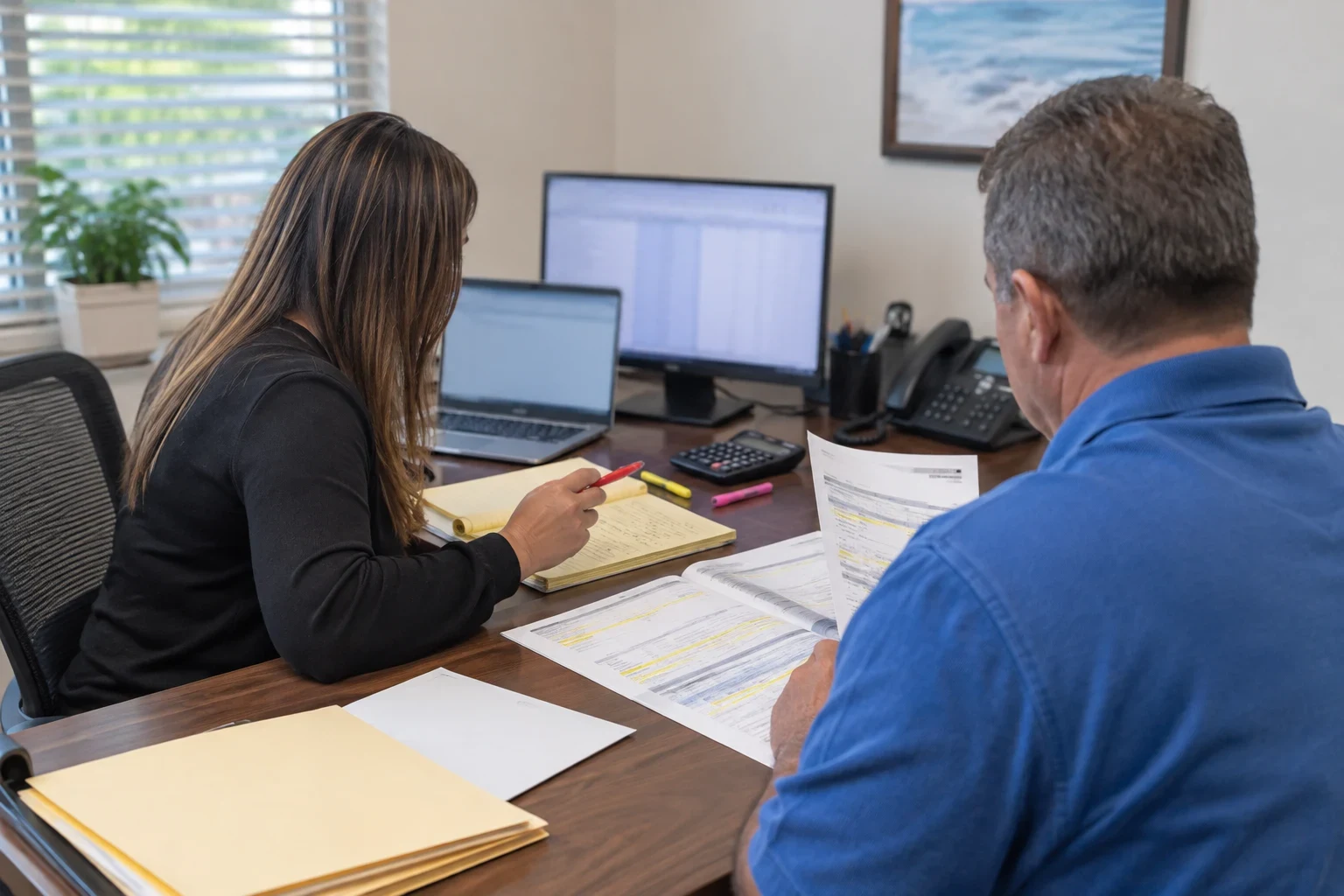
We do not quote a number before we have seen your reports, because the work depends on what is in them. Once we have reviewed them, we explain the program cost by phone so there is nothing unclear later.
- How many items need disputing
- Two incorrect late payments take far less work than a file full of collections, charge-offs and old hard pulls.
- One bureau or all three
- A mistake that only Experian reports needs a single set of disputes. When the same mistake is copied to Equifax and TransUnion too, there are three investigations to follow.
- How long the program runs
- Some reports clear in a few rounds. Others need several months of follow-up as creditors respond.
- Identity theft or mixed files
- Fraud accounts and files merged with another person need extra documentation, such as a police or FTC report, and more correspondence.
Credit repair questions we hear often
Something not covered here? (727) 609-6182
Can you remove debts I actually owe?
No, and you should be wary of anyone who says they can. Federal law gives you the right to challenge information that is wrong, missing details or that the creditor cannot back up. If a creditor fails to verify an accurate item, it may come off, but we will not promise that.
How long until I see changes?
Bureaus generally have 30 days to respond to each dispute, so the first results often come in within a month or two. Most programs run several rounds, depending on how much is on your reports.
Could I do this myself?
Yes. Disputing your own reports is your legal right and costs nothing. Clients come to us because they want someone tracking deadlines, writing specific disputes and following up when a bureau verifies something that is still wrong.
Will disputing hurt my credit score?
Disputing does not lower your score. Your score changes when the reported information changes, and removing an inaccurate negative item usually helps.
Do I need to come to the office?
No. Plenty of clients never visit and handle everything with us over phone and video, including going over their documents together. If talking face to face feels more comfortable, you are welcome to meet us at our office instead.

Ready to see what is really on your reports
One phone conversation gets you enrolled and gets the review started. We will tell you what we plan to dispute and why before anything goes out.